Technology
Hydrogen for the home
Fuel cells and electrolysers for the home exist, but in 2026 they are an expensive niche: of 100 kWh of sun, 26–36 come back.
How it works
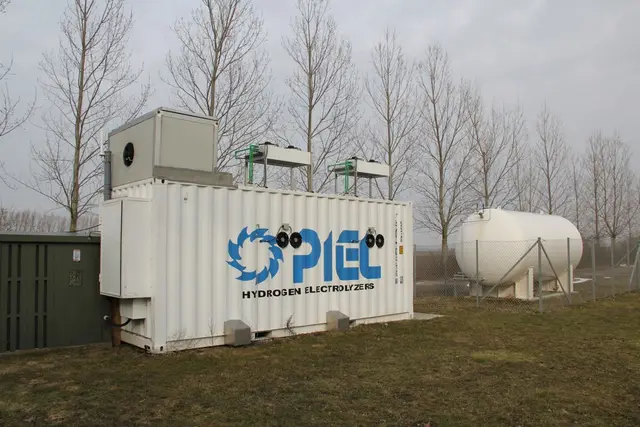
An electrolyser splits water into hydrogen and oxygen (efficiency about 65%), the hydrogen is stored under pressure, and a fuel cell turns it back into electricity and heat. The “electricity → hydrogen → electricity” cycle is about 26–36% efficient; a lithium battery is about 89%.
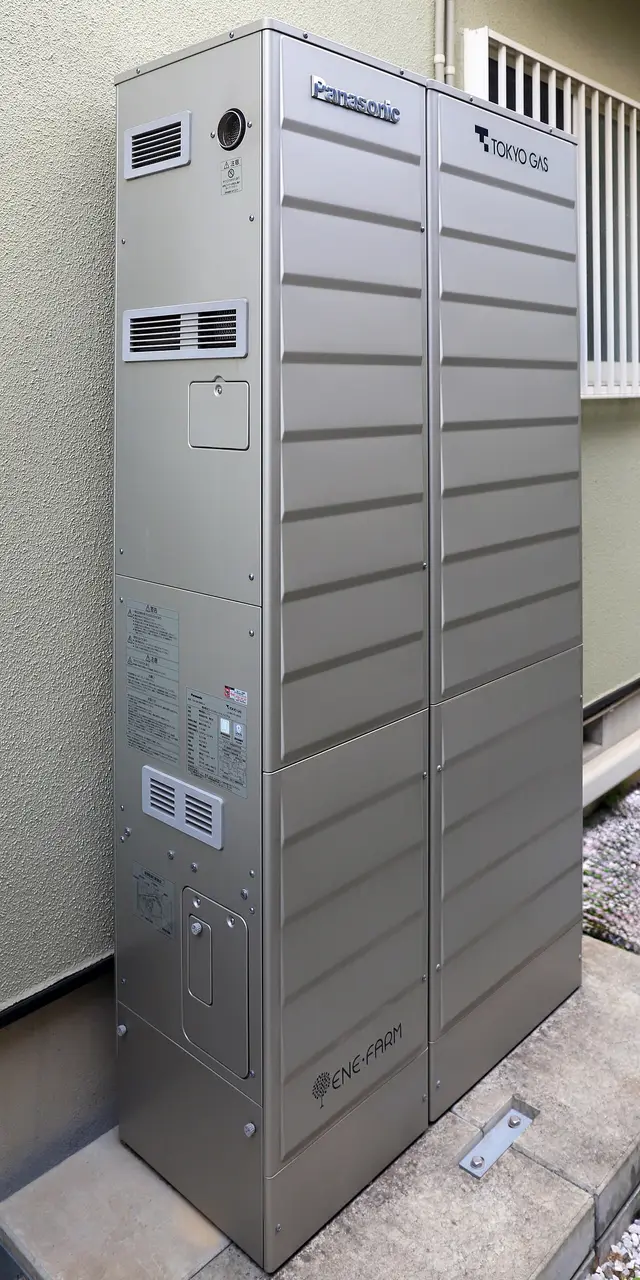
The most widespread example is Japan’s Ene-Farm: 0.4–0.7 kW fuel cells running on mains gas give a home electricity and hot water. About 596,000 units have shipped, the market is about 30,000 a year, and the price is around a million yen.
The honest conclusion for 2026: for a private home, seasonal storage in hydrogen loses to “sun + battery + grid or generator” on both efficiency and price.
Pros
- Seasonal storage with no loss of capacity
- A fuel cell running on gas gives both heat and electricity
Cons
- Cycle efficiency of about 30%
- High price and few suppliers
- Storing hydrogen under pressure
Sizes and figures
| Electrolysis | 50–83 kWh per 1 kg of hydrogen, efficiency ≈65% |
|---|---|
| Round trip | ≈26–36% (LFP battery ≈89%) |
| Ene-Farm | 0.4–0.7 kW, ≈1 million yen, 596,328 units by 09.2026 |
Starting prices
Benchmarks with a source and a date. The price for your property comes in the estimate after a site survey.
| What | Price | Source |
|---|---|---|
| Ene-Farm, Japan World | from 1,000,000 ¥ | Wikipedia (ja): エネファーム · 17.12.2025 |
Russia and Vietnam
Russia rarely
There is no market and no service for homes: we do not offer it as a product and keep an eye on how it develops.
Vietnam rarely
Not applicable to private homes in 2026.
When it is worth it and when it is not
Worth it
- Research and demonstration projects
- Seasonal storage for an isolated site, when the price comes second
Not worth it
- An ordinary house, dacha or café — a battery is cheaper and more efficient
Safety and rules
Hydrogen is light and flammable: storage and installation only to the codes for pressurised gas, and only by specialists.
Sources (4)
- ACE (Japan): Ene-Farm shipments · 09.2026
- Wikipedia (ja): エネファーム · 17.12.2025
- IRENA: Green hydrogen cost reduction · 12.2020
- Tesla Powerwall 3: datasheet · 2026
Goes well with
Battery storage
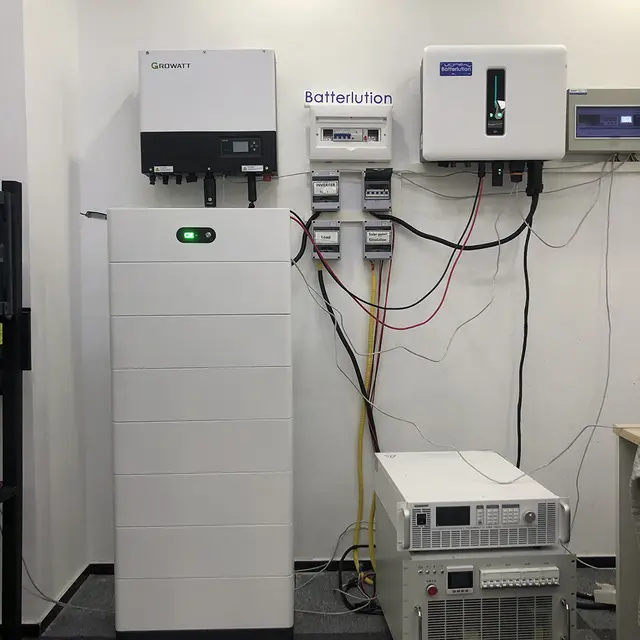
LFP batteries store the daytime sun for the evening and keep the house running during outages. Packs have fallen to $70 per kWh, but a turnkey system is still expensive.
Heat pumps
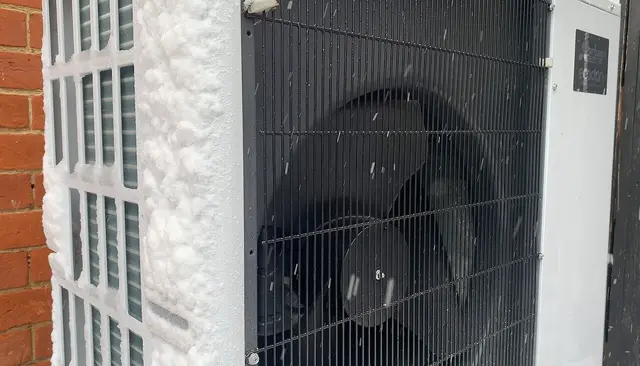
A heat pump moves heat from the air or the ground into the house: 3–4 kWh of heat per 1 kWh of electricity over a season. It pays off where homes are heated with electricity, LPG or diesel.
Request for supply and installation
Describe the property — we’ll calculate it and reply, usually within two working days.