Technology
Heat pumps
A heat pump moves heat from the air or the ground into the house: 3–4 kWh of heat per 1 kWh of electricity over a season. It pays off where homes are heated with electricity, LPG or diesel.
Price from: 37,190 ₽ Russia
47.9 m ₫ Vietnam
How it works
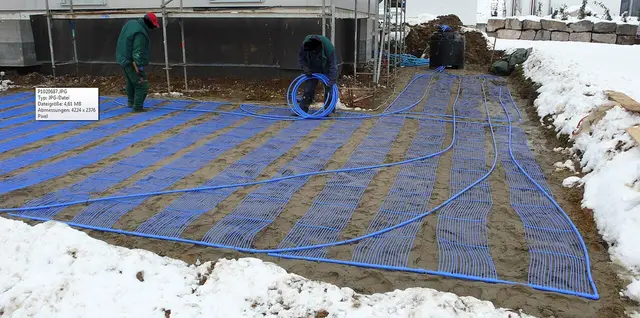
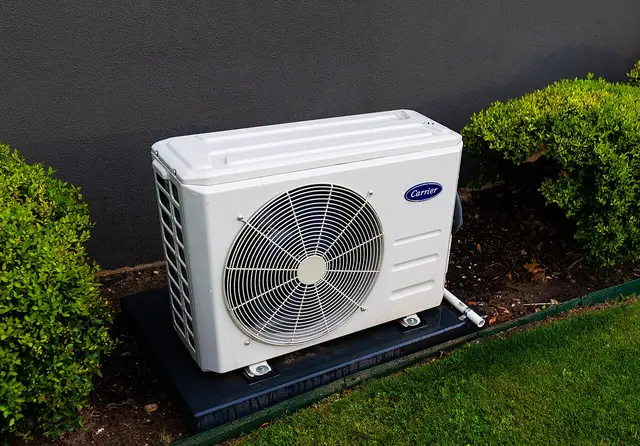
A compressor and a refrigerant move the heat: the outdoor unit draws it even from frosty air, and the indoor unit passes it to underfloor heating, radiators or a hot water tank. Air-to-air (a split system with heating) is the cheapest way in; air-to-water works with water-based heating; ground-to-water takes heat from boreholes or a loop buried in the ground.
A Fraunhofer ISE field test in older homes in Germany: the seasonal performance factor of air-to-water heat pumps is 3.4 (spread 2.6–4.9), of ground-to-water ones 4.3. The lower the flow temperature (underfloor heating — 35 °C), the higher the factor.
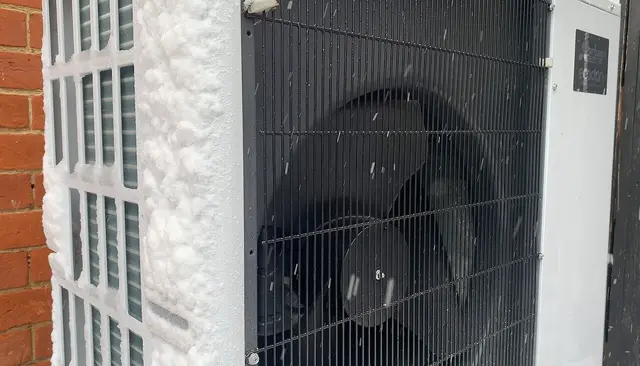
Frost makes the job harder: at −26 °C cold-climate models give about 1.8 kWh of heat per kWh, and the best ones work down to −25…−28 °C. So in Siberia and the Urals a heat pump is installed with spare capacity and top-up heating, or it takes its heat from the ground.
Pros
- 3–4 kWh of heat per 1 kWh of electricity over a season
- Cooling in summer
- No combustion in the house, no chimney, no fuel deliveries
- Works well with solar panels and underfloor heating
Cons
- Costs more than a boiler up front
- In hard frost, output and efficiency drop — top-up heating is needed
- Against cheap mains gas it often does not pay off
- The outdoor unit makes noise and needs space; with R290 — a zone free of ignition sources
- A lot depends on the installation: oversized heat pumps work worse
Sizes and figures
| Seasonal factor (field, Germany) | air-to-water 3.4; ground-to-water 4.3 |
|---|---|
| Frost | cold-climate models down to −25…−28 °C; at −26 °C the factor ≈ 1.8 |
| Air-to-water outdoor unit, 5–10 kW | ≈0.75–1.15 m wide, 60–160 kg, 58–62 dB(A) |
| Ground | a borehole probe gives ≈50 W per metre; a house needs 100–200 m of boreholes |
| Refrigerants | R290 (propane, almost no greenhouse effect) and R32 |
| Sizing | by a heat-loss calculation; a guide is 35–120 W per m², depending on insulation |
Starting prices
Benchmarks with a source and a date. The price for your property comes in the estimate after a site survey.
| What | Price | Source |
|---|---|---|
| Turnkey air-to-water, UK, before the grant World | 12,500–13,000 £ | Selectra: heat pump installation cost |
| Air-to-water for a private house, Germany World | 25,000–40,000 € | Vattenfall: Wärmepumpe Kosten Einfamilienhaus |
| Air-to-water with installation Russia | 280,000–1,134,000 ₽ | Мир климата: тепловые насосы воздух-вода · 02.11.2026 |
| Split system with heating down to −25 °C Russia | 37,190–65,100 ₽ | Мир климата: настенные тепловые насосы · 02.11.2026 |
| Heat pump water heater, 200 l Vietnam | from 47.9 m ₫ | Điện Máy Xanh: máy nước nóng bơm nhiệt · 02.11.2026 |
| Inverter air conditioner, 1 HP Vietnam | 5.8–14.4 m ₫ | Điện Máy Xanh: máy lạnh · 02.11.2026 |
Russia and Vietnam
Russia case by case
The heating season lasts from 130 days in the south to 230 in Siberia, with frosts down to −36 °C (our calculation from ERA5). A heat pump pays off where there is no mains gas: instead of an electric boiler, LPG or diesel. It needs spare grid capacity.
Vietnam case by case
Heating is hardly needed, except in winter in the north. The main uses are cooling and heat pump water heaters in homes, cafés and hotels: they use three times less electricity for hot water than an immersion heater.
When it is worth it and when it is not
Worth it
- No mains gas: an electric boiler, LPG, diesel
- A new or insulated house with underfloor heating
- You need both heating and cooling
- Lots of hot water: a hotel, a café, a big family
Not worth it
- An uninsulated house on cheap gas — the heat pump will not pay off
- There is no spare 5–7 kW of grid capacity, and there will not be
- Old radiators running at 70–80 °C, with no plan to replace them
Safety and rules
A heat pump with R290 needs a spark-free zone around the outdoor unit — about 1 m for some manufacturers.
Power — a dedicated circuit with a breaker; for frost — backup heating in case of an outage.
Sources (9)
- ingenieur.de: Fraunhofer ISE, Wärmepumpen im Bestand · 03.11.2025
- PNNL / U.S. DOE: cold climate heat pumps in the field (ACEEE 2024) · 2024
- Cooling Post: heat pump efficiency at low temperatures (Joule, 2023) · 11.09.2023
- Daikin UK: Altherma 3 R ERGA
- European Commission: F-gases in air conditioning and heat pumps
- Heat Geek: Vaillant aroTHERM plus
- 42watt: Erdwärmesonde (VDI 4640)
- BürgerNetzwerkSolar Worms: Wärmepumpe, Praxistipps zur Auslegung · 04.2026
- Copernicus Climate Data Store: ERA5 hourly data on single levels
Goes well with
Solar panels
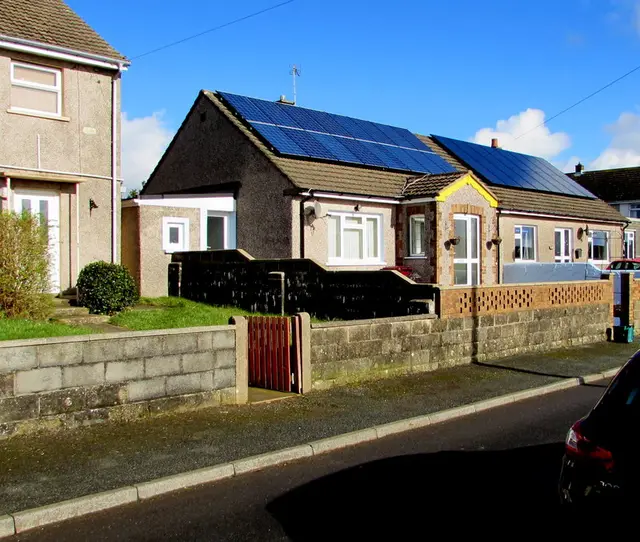
Modules on a roof, a façade or the ground turn light into electricity. The cheapest new electricity in the world — but only by day and with big seasonal swings.
Audit and energy saving
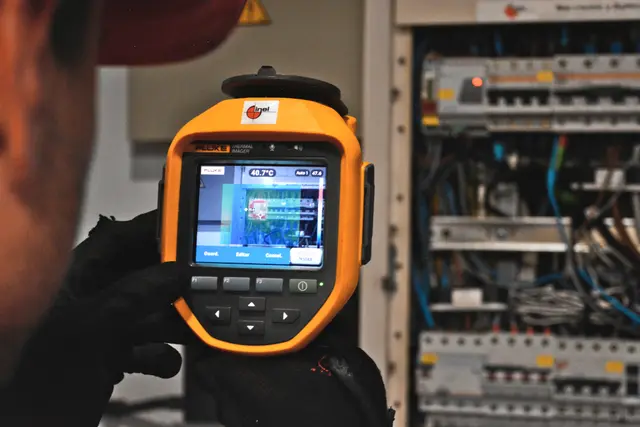
The cheapest kilowatt-hour is the one you don’t need. A thermal camera, circuit-level metering and simply replacing appliances often give more than the first panel.
Smart energy management
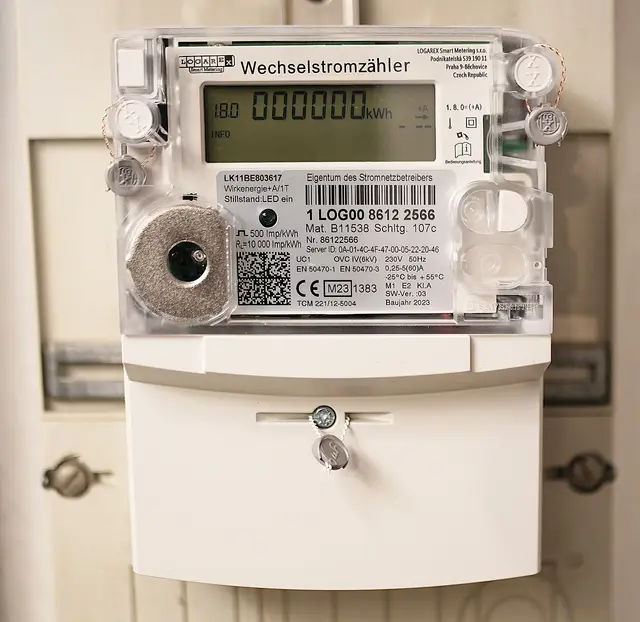
Software decides when to charge the battery and the car, heat water and run the heat pump, so that more of your own sun stays at home.
Request for supply and installation
Describe the property — we’ll calculate it and reply, usually within two working days.