Technology
Small wind
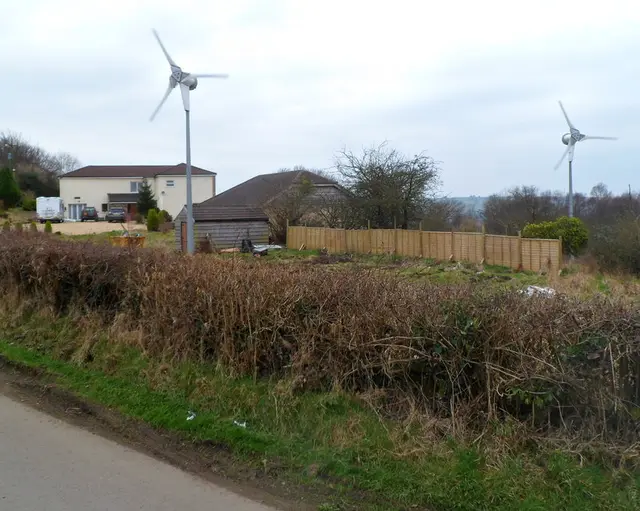
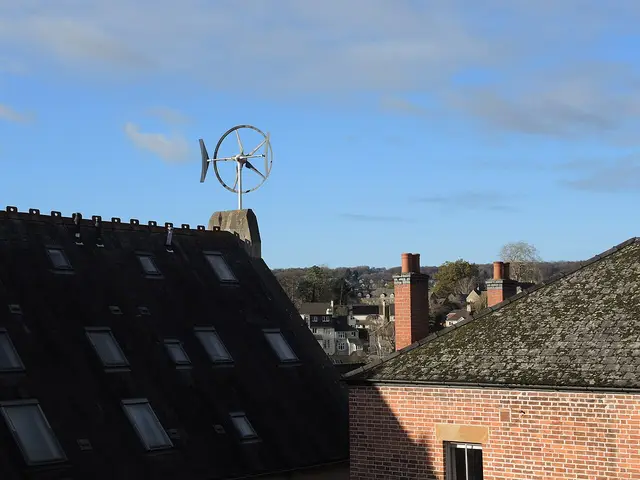
A home turbine works at night and in winter, but on a roof or in a village it gives almost nothing. It makes sense in an open spot with an average wind of 4.5–5 m/s or more.
Price from: 5,120 $ per kW World
How it works
Wind power grows with the cube of the speed: a 6 m/s wind carries 1.7 times more energy than a 5 m/s one. Near the ground and among houses the wind is weak and gusty.
Field trials are sobering: in the British Warwick Wind Trials, 26 turbines on buildings produced an average of 78 kWh a year, while datasheet-based forecasts overstated output 15–17 times. Free-standing turbines on masts in an Energy Saving Trust study ran at an average capacity factor of 19%.
The mast rule: the lowest point of the blades is 9 m above any obstacle within 90 m. The average price of small wind turbines in the USA is about $5,120 per kW.
Pros
- Works at night and in winter, when there is little sun
- Complements solar off the grid
- In an open spot on a mast — a capacity factor of about 19% or more
Cons
- On a roof and in town — a few per cent
- Noise and vibration: about a third of owners complain
- A 10–30 m mast, permits, maintenance
- Datasheet promises are heavily inflated
Sizes and figures
| Average wind | from 4.5 m/s for grid-tied systems, from 4 m/s off-grid |
|---|---|
| Mast | blades 9 m above obstacles within 90 m |
| Rotor of a 1–6 kW turbine | 1.75–5.5 m |
| Noise | a 2 kW turbine — about 55 dB at 15 m |
| Wind at 10 m (ERA5, 2005–2023, our calculation) | Moscow 3.1 m/s, Makhachkala 3.4, Irkutsk 1.8, Vung Tau 5.3, Phu Quoc 5.1 |
Starting prices
Benchmarks with a source and a date. The price for your property comes in the estimate after a site survey.
| What | Price | Source |
|---|---|---|
| Small wind turbine, USA (average) World | from 5,120 $ per kW | U.S. DOE: Small Wind Handbook |
Russia and Vietnam
Russia rarely
The average wind at 10 m in Russia’s large cities is 1.8–3.6 m/s (our calculation from ERA5): too little for a turbine. It makes sense on remote open plots by the sea and in the steppe — together with solar and a battery.
Vietnam rarely
The south-central coast is windy: in Vung Tau and on Phu Quoc the average wind at 10 m is about 5 m/s (ERA5). But typhoons call for a turbine that can stop and a strong mast, and in a city a turbine makes no sense.
When it is worth it and when it is not
Worth it
- An open spot: a coast, the steppe, a hill
- An off-grid site with little sun in winter
- An average wind of 5 m/s or more at rotor height — measured, not taken from a datasheet
Not worth it
- A house roof in a village or a town
- Average wind below 4 m/s
- Neighbours close by — noise
Safety and rules
An engineer designs the mast and the foundation; the turbine needs a brake and a storm shutdown mode.
Goes well with
Solar panels
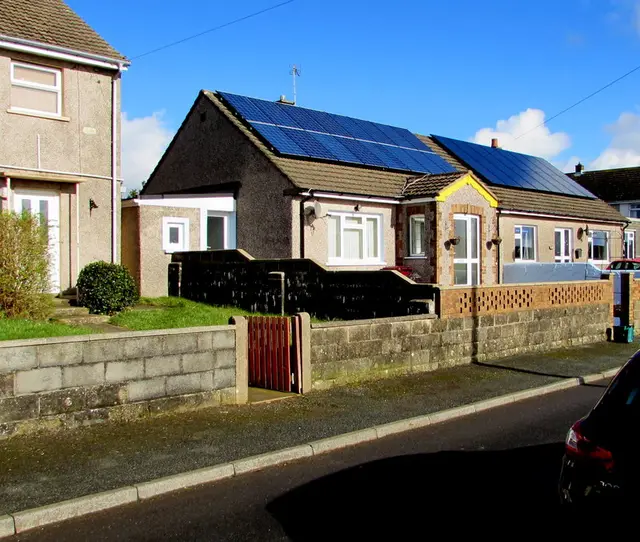
Modules on a roof, a façade or the ground turn light into electricity. The cheapest new electricity in the world — but only by day and with big seasonal swings.
Battery storage
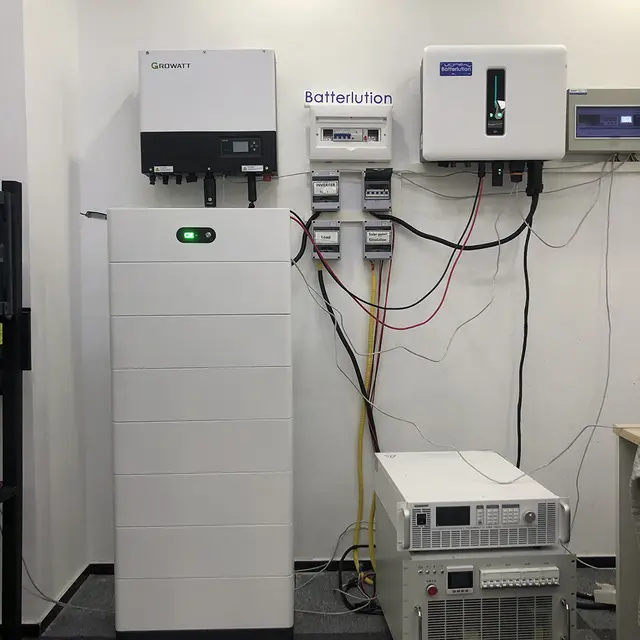
LFP batteries store the daytime sun for the evening and keep the house running during outages. Packs have fallen to $70 per kWh, but a turnkey system is still expensive.
Request for supply and installation
Describe the property — we’ll calculate it and reply, usually within two working days.