Technology
Solar panels
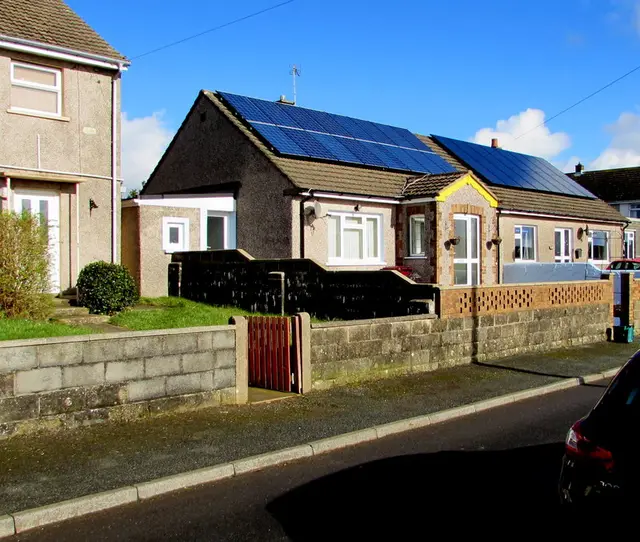
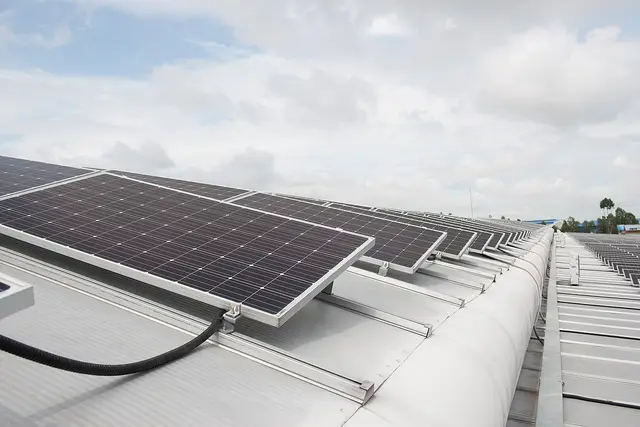
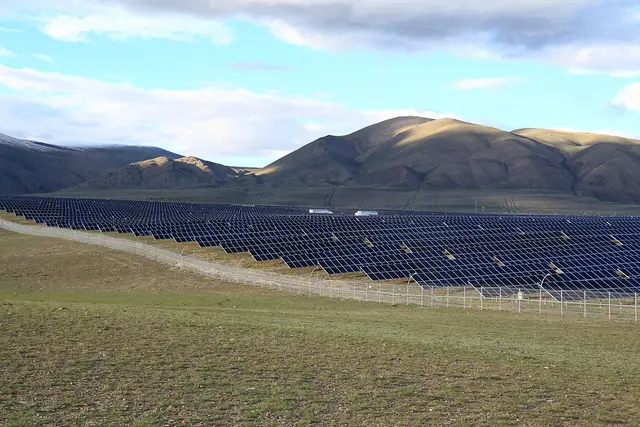
Modules on a roof, a façade or the ground turn light into electricity. The cheapest new electricity in the world — but only by day and with big seasonal swings.
Price from: 48,000 ₽ per kW Russia
6.5 m ₫ per kW Vietnam
How it works
Silicon cells produce direct current, and the inverter turns it into 230 V alternating current. In 2025 almost the whole market switched to n-type cells: TOPCon makes up about 75% of output, back-contact and HJT about 5% each, and the old PERC is on its way out.
A production module turns 22–24% of the light into electricity. The residential format is about 1.8 × 1.13 m and 430–490 W; 1 kW needs about 5 m² of roof with walkways. According to PVGIS, 1 kW of panels gives about 970 kWh a year in Moscow, 1,240 in Krasnodar and 1,410 in Ho Chi Minh City.
Output depends on tilt, orientation, shade and snow. On their own, panels do not power the house during a grid outage: that takes a battery, a hybrid inverter and an automatic transfer switch.
Pros
- The cheapest new energy: a module costs about $0.11 per watt
- No moving parts, power warranty of up to 30 years
- The energy spent on making it comes back in about a year of operation
- Goes almost anywhere: a balcony, a roof, a canopy, a field
Cons
- Daytime only; in Moscow December gives 6–7 times less than June
- Shade from a tree or a chimney noticeably cuts output
- Snow: modules right at ground level lose up to a third of their output over a year
- In 2026, 87% of manufacturers failed at least one Kiwa PVEL reliability test — the brand and the datasheet matter
Sizes and figures
| Cell type in 2026 | TOPCon (≈75% of the market), back-contact, HJT |
|---|---|
| Efficiency of production modules | 22–24%; the average among the ten largest makers is 22.7% |
| Residential module | ≈1.80 × 1.13 m, 21–24 kg, 430–490 W |
| Large module | ≈2.38 × 1.13 m, 31–34 kg, 620–670 W |
| Roof per 1 kW | ≈5 m² with walkways |
| Heat | −0.26% of power per degree above 25 °C: at 65 °C on the cell ≈ −10% |
| Power warranty | 25–30 years; after 30 years ≥ 89% of rated power |
| 1 kW per year (PVGIS) | Moscow ≈ 970, Krasnodar ≈ 1,240, Hanoi ≈ 1,060, Ho Chi Minh City ≈ 1,410 kWh |
Starting prices
Benchmarks with a source and a date. The price for your property comes in the estimate after a site survey.
| What | Price | Source |
|---|---|---|
| TOPCon module, wholesale (FOB China) World | from 0.114 $ per W | InfoLink: PV spot prices · 28.10.2026 |
| Back-contact module for homes, Europe World | from 0.19 $ per W | InfoLink: PV spot prices · 28.10.2026 |
| Turnkey rooftop system, Germany World | 900–1,500 € per kW | Fraunhofer ISE: Photovoltaics Report · 14.07.2026 |
| Turnkey rooftop system, USA (median) World | from 2.57 $ per W | pv magazine: residential solar prices rise 3.2% (EnergySage) · 24.10.2026 |
| Turnkey grid-tied system Russia | 48,000–61,000 ₽ per kW | ТехноЛайн (e-solarpower.ru): монтаж и комплекты · 02.11.2026 |
| Turnkey hybrid system with a 10 kWh LFP battery Russia | 84,000–116,000 ₽ per kW | ТехноЛайн (e-solarpower.ru): монтаж и комплекты · 02.11.2026 |
| Solar module, imported, retail Russia | 29.1–31.4 ₽ per W | МикроАРТ: прайс-лист · 01.11.2026 |
| Turnkey grid-tied system Vietnam | 6.5–9.7 m ₫ per kW | Newsun Solar: giá lắp điện năng lượng mặt trời · 10.2026 |
| 5 kW hybrid with a 16 kWh battery Vietnam | 90–110 m ₫ | Tinhte: giá lắp điện mặt trời lưu trữ hybrid 2026 · 29.09.2026 |
| 10 kW hybrid with a 16 kWh battery Vietnam | 140–160 m ₫ | Tinhte: giá lắp điện mặt trời lưu trữ hybrid 2026 · 29.09.2026 |
Russia and Vietnam
Russia case by case
The south gives 1,200–1,300 kWh per 1 kW a year — as much as Germany; Moscow about 970, Saint Petersburg about 900. On the household tariff the payback is long; the strong cases are the south, dachas with a weak grid, and backup together with a battery. Since 26.09.2026 a home can feed up to 50 kW into the grid, but the surplus is bought at the wholesale price — about 3–3.6 ₽ per kWh.
Vietnam relevant
From 1,060 kWh per 1 kW a year in Hanoi to 1,600 in the south-central region — 1.5 times more than Moscow. The EVN tariff is tiered (up to 3,844 ₫ + VAT), so every kWh of your own during the day pays. Since 26.06.2026 the surplus can be sold — up to 50% of output, but at 844.8 ₫: using it yourself pays more.
When it is worth it and when it is not
Worth it
- Someone uses energy during the day: air conditioning, fridges, a pump, a kitchen, an office
- The tariff is high or rising: EVN’s upper tiers, a commercial tariff
- There is an unshaded roof facing south, east or west
- You need backup — then together with a battery and a hybrid inverter
Not worth it
- The roof is in shade most of the day
- Almost all consumption is at night, and a battery is not in the budget
- The roof will need repairs soon — the roof comes first
Safety and rules
While the sun shines, the direct current in a string cannot be switched off: installation needs DC breakers, the right connectors and arc protection.
Mounting is designed for the local snow and wind: in Russia, the snow load zone; in Vietnam, typhoons (Yagi brought gusts of up to 62 m/s in 2024). The Vietnamese installation notice contains a commitment not to install imported used panels and inverters.
Sources (9)
- Fraunhofer ISE: Photovoltaics Report · 14.07.2026
- TaiyangNews: ITRPV expects TOPCon to lead · 07.09.2026
- InfoLink: PV spot prices · 28.10.2026
- pv magazine: Kiwa PVEL 2026 module reliability scorecard · 28.05.2026
- LONGi: Hi-MO X10 · 19.02.2025
- Heidari et al., IEEE Journal of Photovoltaics: snow losses · 24.08.2015
- PVGIS 5.3, Joint Research Centre, European Commission · 02.11.2026
- Wikipedia: Effects of Typhoon Yagi in Vietnam
- Nghị định 243/2026/NĐ-CP (bản ký số) · 26.06.2026
Goes well with
Inverters
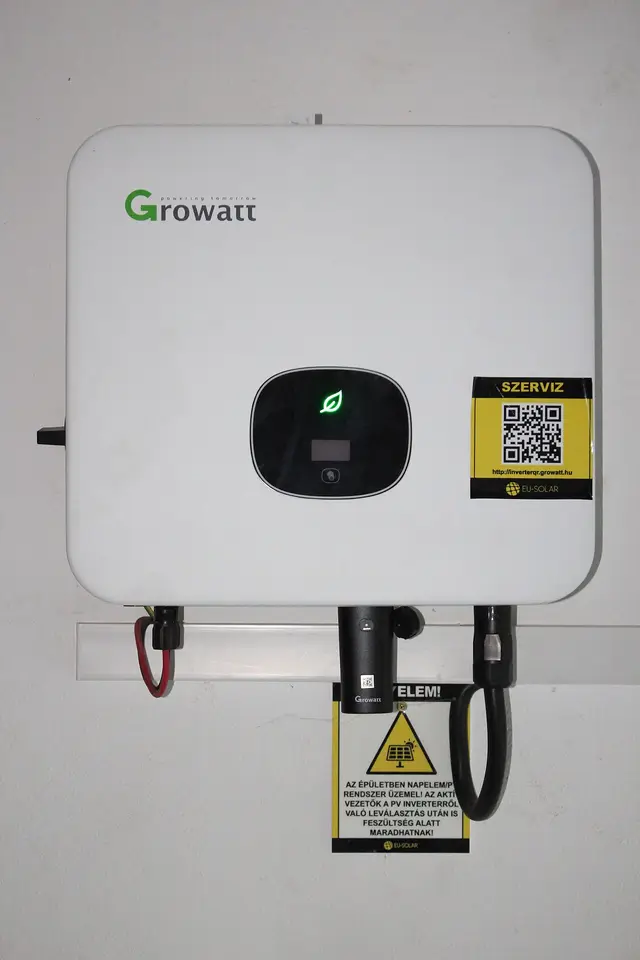
The heart of the system: turns the direct current of panels and batteries into alternating current, decides where to take energy from and isolates the house from the grid during an outage.
Battery storage
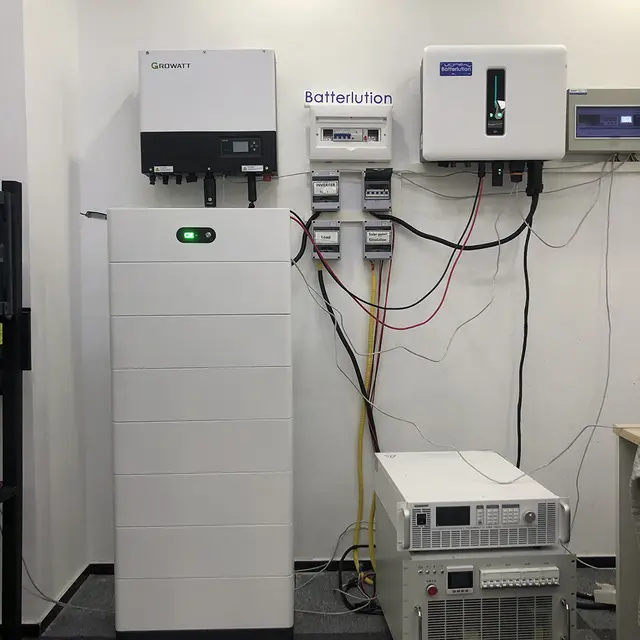
LFP batteries store the daytime sun for the evening and keep the house running during outages. Packs have fallen to $70 per kWh, but a turnkey system is still expensive.
Smart energy management
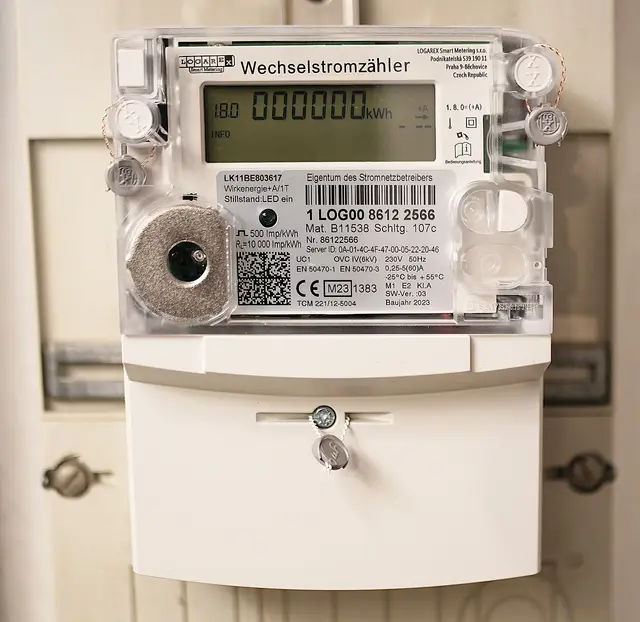
Software decides when to charge the battery and the car, heat water and run the heat pump, so that more of your own sun stays at home.
Request for supply and installation
Describe the property — we’ll calculate it and reply, usually within two working days.