Technology
Generators and backup
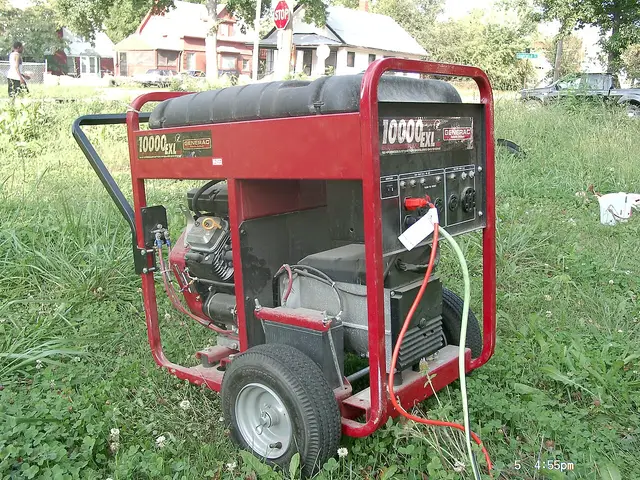
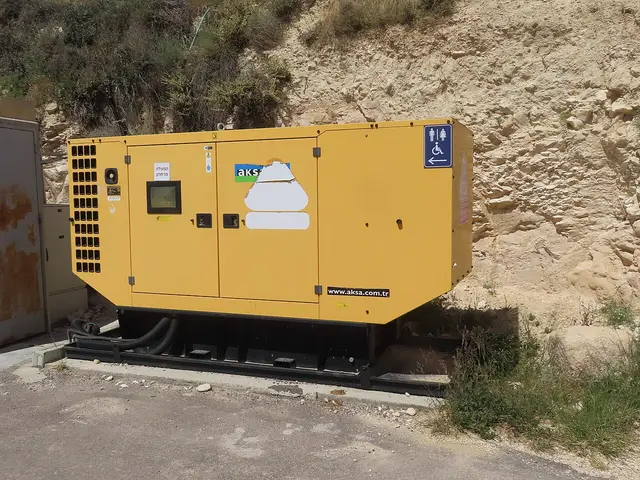
A generator keeps a house running for as long as there is fuel. Best of all paired with a battery: the generator runs less often and under load.
Price from: 22,690 ₽ Russia
How it works
A generator is an engine plus an alternator; inverter models give clean voltage for electronics. An automatic transfer switch (ATS) starts the generator by itself when the grid goes down.
At low load, fuel use goes up: a 20 kW diesel uses about 0.30 l per kWh at full load and 0.45 at a quarter load. So it pays to run a generator close to its rating and charge a battery with it, rather than keep it going for hours on a single fridge.
An inverter-charger takes exactly as much from the generator as it needs, covers peaks from the battery and switches the house to the battery in under 20 ms.
Pros
- Works in any weather, for as long as you need
- A cheap way in
- Handles heavy loads: a pump, heating, power tools
Cons
- Fuel, noise, exhaust, carbon monoxide
- Maintenance and starting in winter
- At low load, fuel per kWh is 1.5 times higher
Sizes and figures
| Diesel consumption | ≈0.30 l per kWh at full load, ≈0.45 at 25% |
|---|---|
| Where to put it | outdoors only, more than 6 m from windows, doors and vents |
| Switchover | ATS — the engine’s start-up time; battery — under 20 ms |
Starting prices
Benchmarks with a source and a date. The price for your property comes in the estimate after a site survey.
| What | Price | Source |
|---|---|---|
| Generator, 3–7 kW Russia | 22,690–138,920 ₽ | Huter: инверторные генераторы · 02.11.2026 |
| Inverter generator, 3–6 kW Russia | 34,790–141,790 ₽ | Huter: инверторные генераторы · 02.11.2026 |
Russia and Vietnam
Russia relevant
The main backup for homes with frequent outages and for winter. The “generator + battery + hybrid inverter” combination cuts engine hours, noise and fuel.
Vietnam case by case
Backup for outages and typhoons; in dense neighbourhoods the noise and exhaust are a problem — a battery is quieter.
When it is worth it and when it is not
Worth it
- Outages of a day or longer
- Winter: heating and pumps
- An off-grid site with a large load
Not worth it
- Outages are short — a battery is enough
- No outdoor spot more than 6 m from windows
Safety and rules
Carbon monoxide kills: in the USA more than 400 people a year die of non-fire CO poisoning. A generator belongs outdoors only, more than 6 m from windows, doors and vents; never in the house, a garage or a basement, even with a window open.
Connect it to the house only through an ATS or a manual changeover switch: otherwise the generator sends current into the grid where line workers are working.
Goes well with
Battery storage
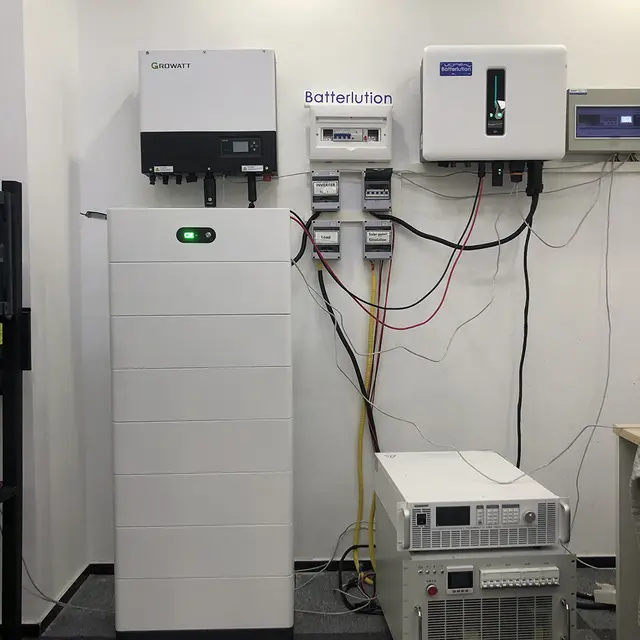
LFP batteries store the daytime sun for the evening and keep the house running during outages. Packs have fallen to $70 per kWh, but a turnkey system is still expensive.
Inverters
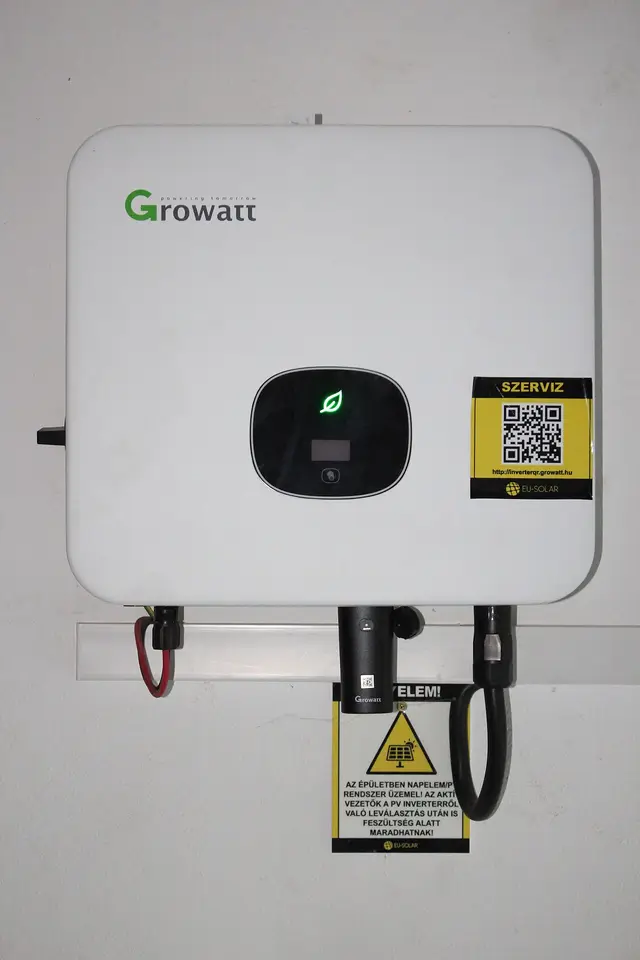
The heart of the system: turns the direct current of panels and batteries into alternating current, decides where to take energy from and isolates the house from the grid during an outage.
Request for supply and installation
Describe the property — we’ll calculate it and reply, usually within two working days.