Technology
Inverters
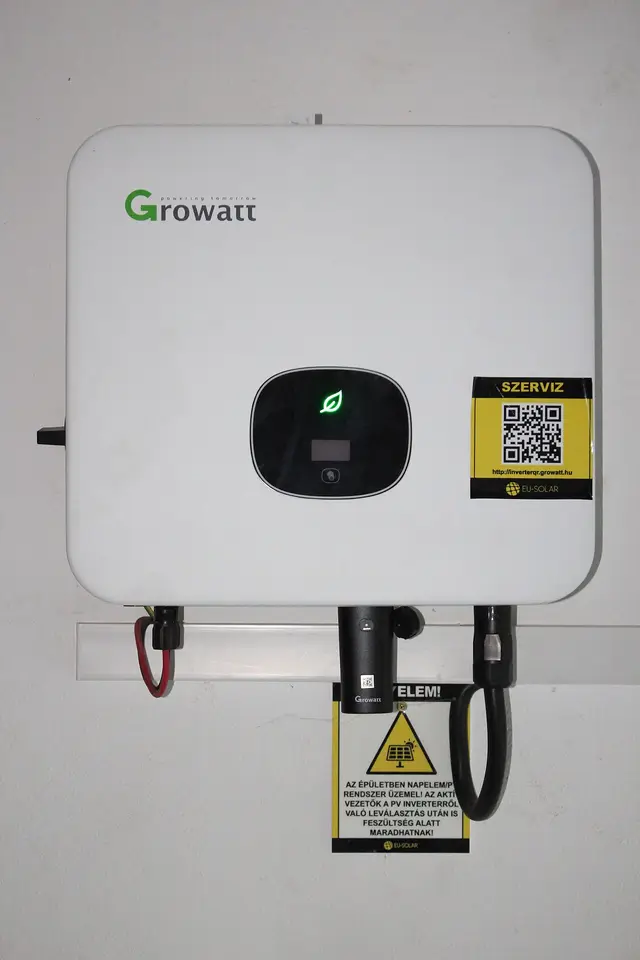
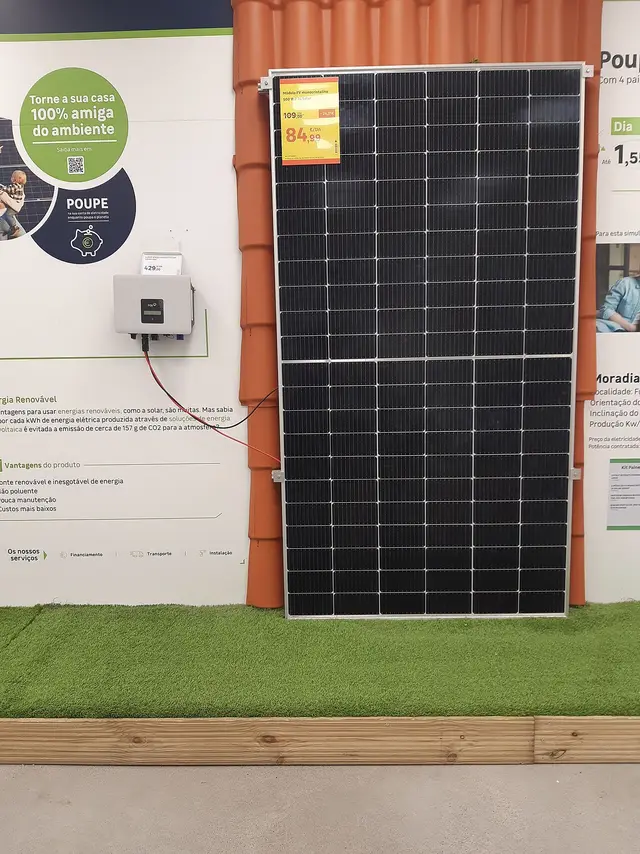
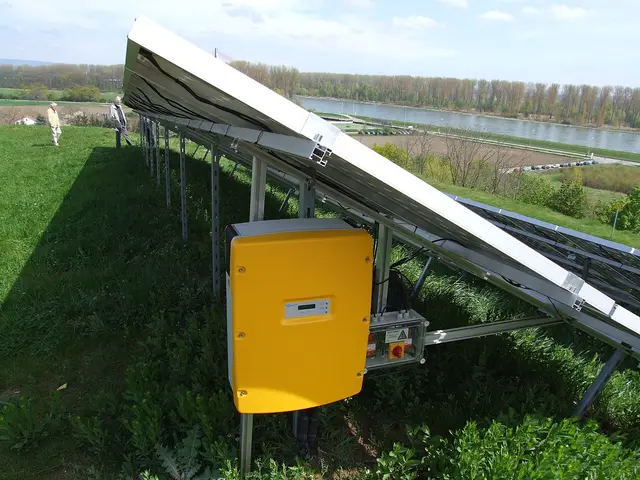
The heart of the system: turns the direct current of panels and batteries into alternating current, decides where to take energy from and isolates the house from the grid during an outage.
Price from: 48,880 ₽ Russia
How it works
A grid-tied inverter sends the panels’ energy to the house and the grid, but shuts down when the grid goes down — safety rules for line workers require it. A hybrid inverter also works with a battery and can run the house as an “island”. An off-grid inverter-charger creates a grid of its own — for sites without a grid and in tandem with a generator.
Microinverters and optimisers go on each module: shade on one module does not drag down the whole string. Modern inverters are 96–99% efficient.
For the house to keep running during an outage, you need three things: an inverter that forms the grid itself, a battery and an automatic grid-disconnect switch. Inverter-chargers switch over in under 20 ms — like a UPS; some hybrids take 10–15 seconds.
Pros
- Efficiency of 96–99%
- A hybrid combines panels, battery, backup and metering
- Open protocols (Modbus, SunSpec): the system shows up in the app and in home automation
- Microinverters: warranty of up to 25 years and operation down to −40 °C
Cons
- The most common reason for repairs: about 43% of service calls for solar systems in the USA
- Lasts 10–15 years — less than the panels, so it is usually replaced during the life of the system
- Backup needs a separate switch: “just panels” do not power the house in an outage
- Cuts its power in the heat; some models do not work below −25 °C
Sizes and figures
| String, 3–10 kW | ≈0.5 × 0.5 × 0.2 m, 15–35 kg |
|---|---|
| Efficiency | 96–98% for string inverters, up to 99.5% for optimisers |
| Switchover to battery | under 20 ms for inverter-chargers, ≈10–15 s for some hybrids |
| Service life | 10–15 years, warranty 5–10 (microinverters up to 25) |
| Operating temperatures | usually −25…+60 °C, microinverters −40…+60 °C |
| Protocols | Modbus TCP, SunSpec; for chargers — OCPP |
Starting prices
Benchmarks with a source and a date. The price for your property comes in the estimate after a site survey.
| What | Price | Source |
|---|---|---|
| Hybrid inverter, 5–10 kW Russia | 48,880–214,960 ₽ | ТехноЛайн (e-solarpower.ru): гибридные инверторы · 02.11.2026 |
| MAP inverter (made in Russia) Russia | 193,800–275,300 ₽ | МикроАРТ: прайс-лист · 01.11.2026 |
| 5 kW hybrid with a 16 kWh battery Vietnam | 90–110 m ₫ | Tinhte: giá lắp điện mặt trời lưu trữ hybrid 2026 · 29.09.2026 |
Russia and Vietnam
Russia relevant
The main choice is a hybrid with real backup, not “one socket in the daytime”: outages are the main reason in Russia. Install it in a heated room or pick a model rated for frost in its datasheet.
Vietnam relevant
It needs shade and airflow: in the heat an inverter cuts its power. Enclosure — IP65–66. Installers’ hybrid packages usually already include an automatic transfer switch (ATS).
When it is worth it and when it is not
Worth it
- Any solar system — it does not work without an inverter
- Backup for a house, café or farm — hybrid or off-grid
- A complex roof with shade — microinverters or optimisers
Not worth it
- The cheapest one with no service in your region: the inverter is what breaks most often
- Mounting on a sunny wall with no shade or airflow
- A grid-tied inverter when the goal is backup
Safety and rules
Anti-islanding protection is mandatory for grid-tied inverters: a grid line worker must never end up live from your panels.
Connection — with DC and AC breakers, earthing and surge protection.
Goes well with
Solar panels
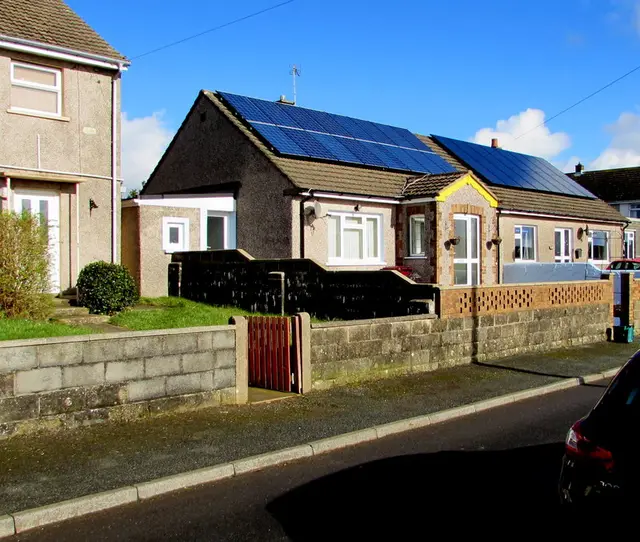
Modules on a roof, a façade or the ground turn light into electricity. The cheapest new electricity in the world — but only by day and with big seasonal swings.
Battery storage
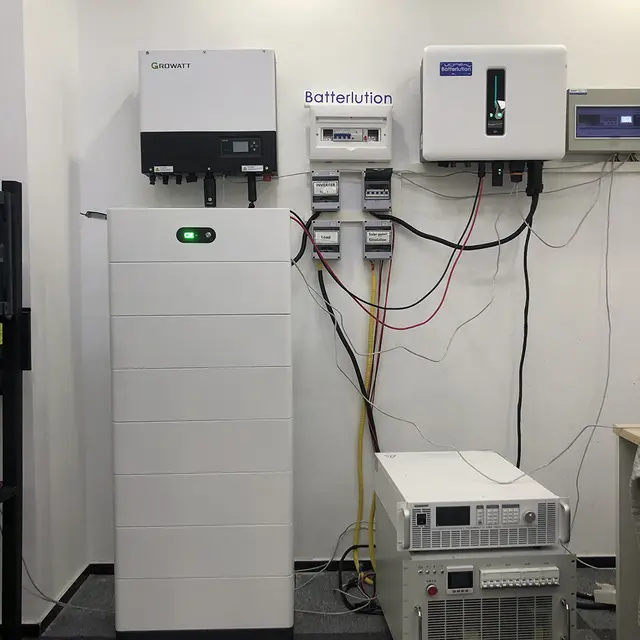
LFP batteries store the daytime sun for the evening and keep the house running during outages. Packs have fallen to $70 per kWh, but a turnkey system is still expensive.
Generators and backup
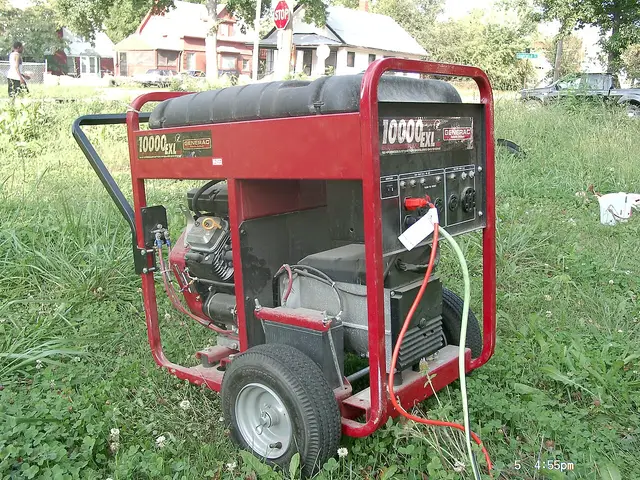
A generator keeps a house running for as long as there is fuel. Best of all paired with a battery: the generator runs less often and under load.
Request for supply and installation
Describe the property — we’ll calculate it and reply, usually within two working days.