Technology
Smart energy management
Software decides when to charge the battery and the car, heat water and run the heat pump, so that more of your own sun stays at home.
How it works
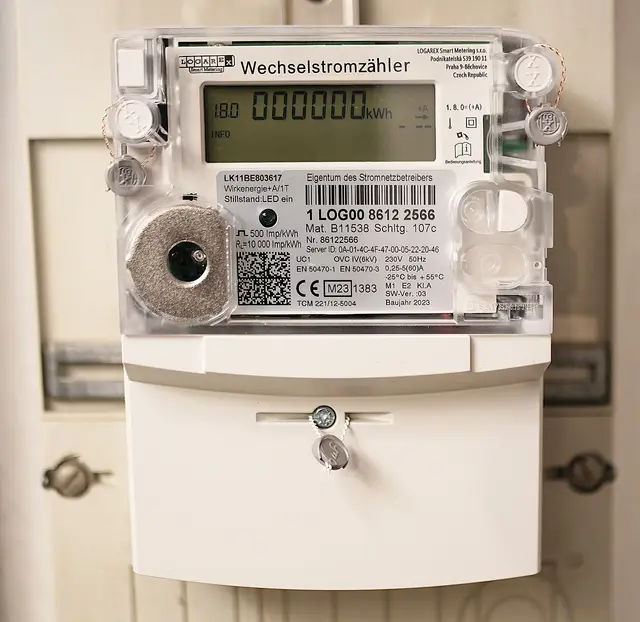
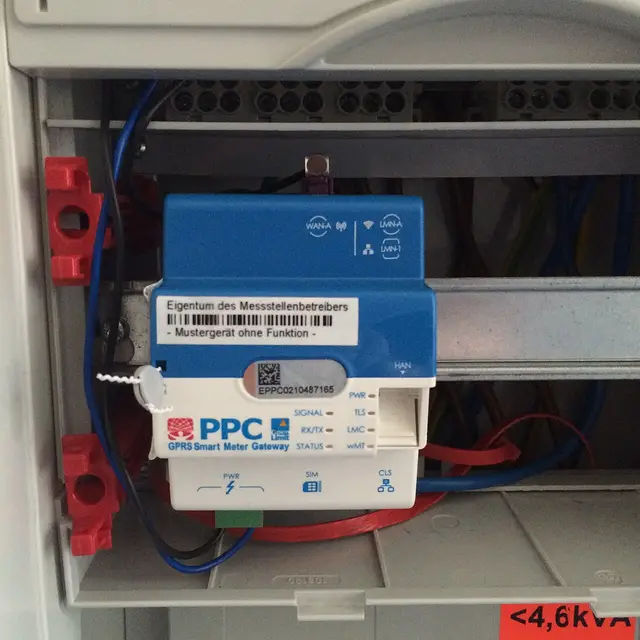
A HEMS reads the meter, the inverter, the battery and the charger, and switches loads on when the energy is your own or cheap. Open systems — Home Assistant, evcc, OpenEMS — run locally, with no cloud.
Devices speak their own languages: Modbus and SunSpec — inverters, OCPP — chargers, EEBus and Matter 1.4 — heat pumps, water heaters and batteries.
The effect shows in specific mechanisms: in Germany, letting the grid limit your charger and heat pump earns a discount of about €110–190 a year. There is no general independent estimate of the “a HEMS saves this many per cent” kind: tariffs and loads decide everything.
Pros
- More of your own sun stays at home
- Car charging on the surplus
- Runs locally, with no third-party clouds
- You see where every kWh goes
Cons
- Device compatibility
- Without time-of-use tariffs the gain is mostly self-consumption
- Setup takes skill
Sizes and figures
| What it connects | meter, inverter, battery, charger, heat pump, water heater |
|---|---|
| Protocols | Modbus TCP, SunSpec, OCPP, EEBus, Matter 1.4 |
| Open systems | Home Assistant, evcc, OpenEMS |
| Where it sits | a DIN-rail controller or a mini computer |
Starting prices
Benchmarks with a source and a date. The price for your property comes in the estimate after a site survey.
| What | Price | Source |
|---|---|---|
| Discount for grid control, Germany (§14a) World | 110–190 € a year | Bundesnetzagentur: steuerbare Verbrauchseinrichtungen (§14a EnWG) |
Russia and Vietnam
Russia case by case
Households have day/night time-of-use tariffs: a HEMS moves water heating, charging and the heat pump to the night and to sunny hours, and keeps a reserve in the battery before bad weather.
Vietnam case by case
Households have no hourly tariff, only tiers: the gain is staying out of the upper tiers and not giving the surplus away for 844.8 ₫. Businesses have a 17:30–22:30 peak — a HEMS discharges the battery right in the peak.
When it is worth it and when it is not
Worth it
- More than one flexible device: a battery, a car, a heat pump, a water heater
- A time-of-use or hourly tariff
- The surplus sells cheaply or cannot be sold
Not worth it
- A single system with no battery and no flexible loads — the inverter’s app is enough
Safety and rules
A local system works without the internet too. Access by password, regular updates.
Goes well with
Battery storage
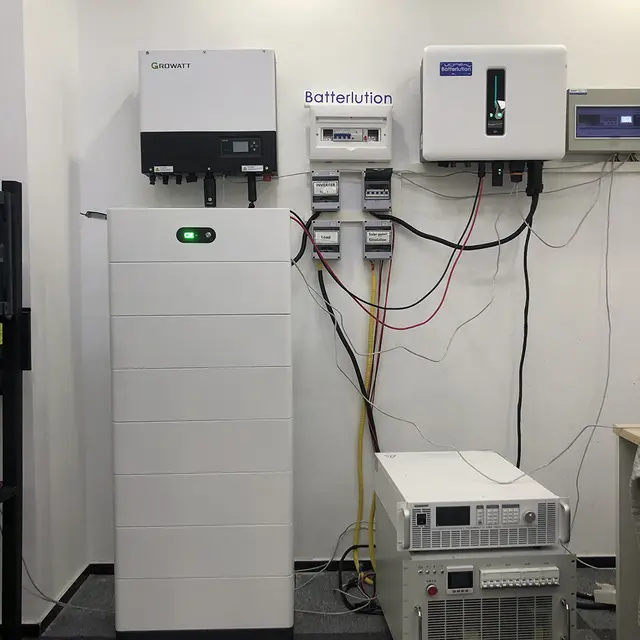
LFP batteries store the daytime sun for the evening and keep the house running during outages. Packs have fallen to $70 per kWh, but a turnkey system is still expensive.
EV charging
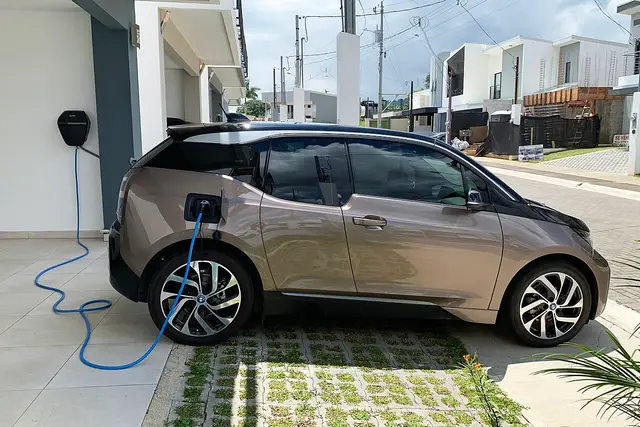
A 7–22 kW wallbox charges the car at home overnight, and with solar and smart control — on the daytime surplus.
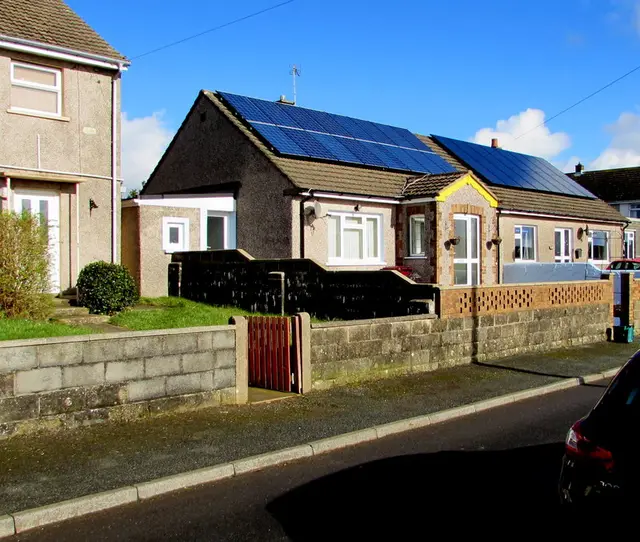
Solar panels
Modules on a roof, a façade or the ground turn light into electricity. The cheapest new electricity in the world — but only by day and with big seasonal swings.
Request for supply and installation
Describe the property — we’ll calculate it and reply, usually within two working days.